Pierre-Octave Ferroud
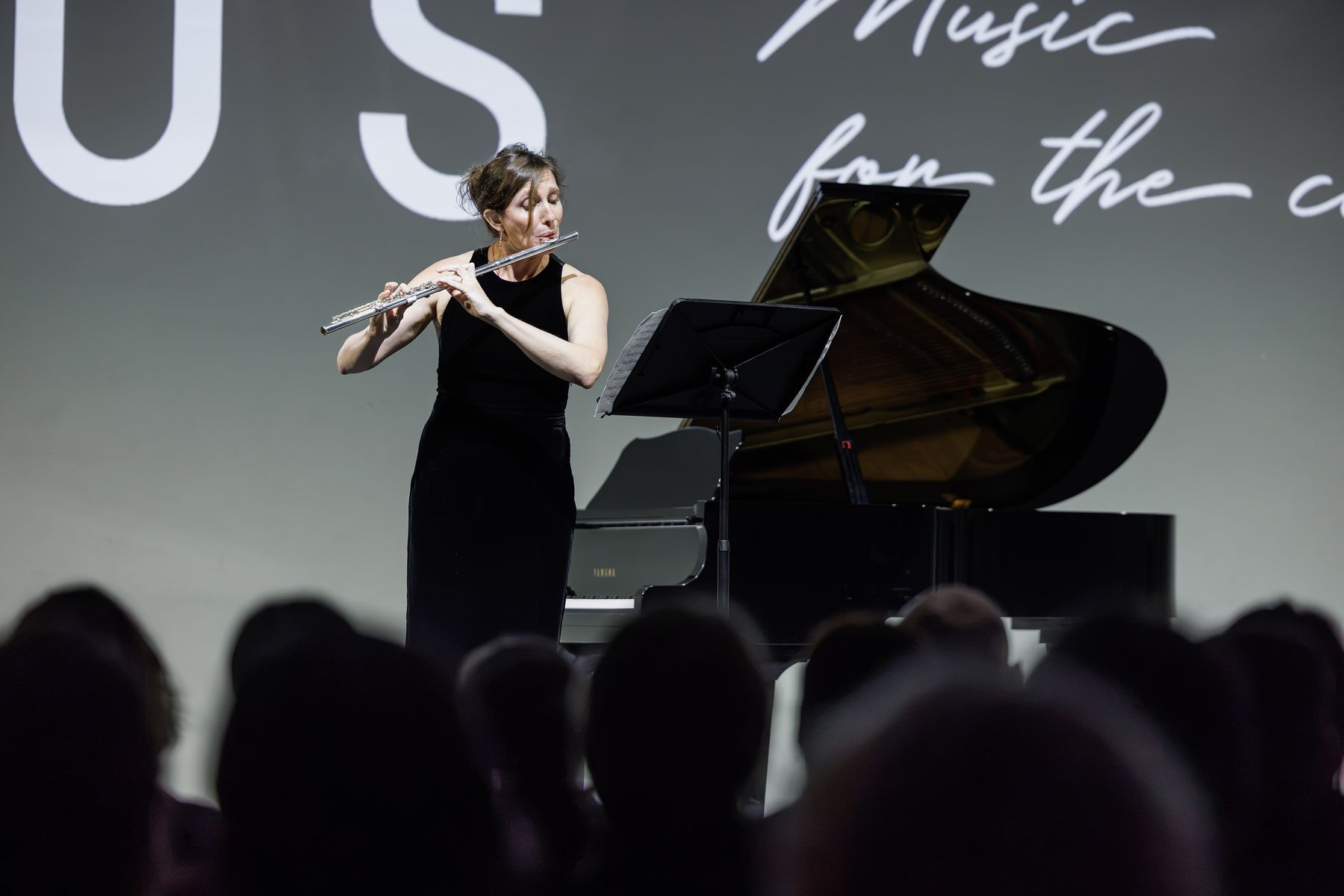
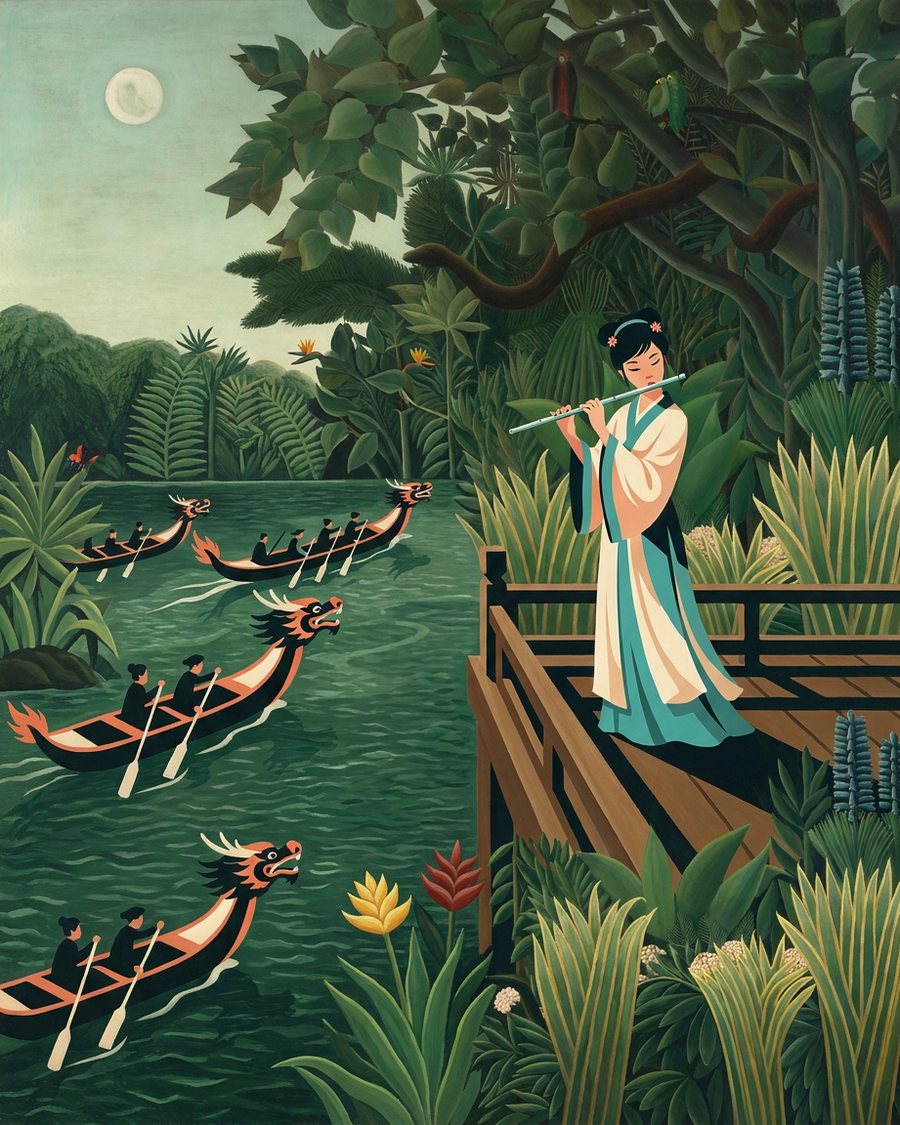
“The Captive Shepherdess”, “Jade” and “Toan-Yan, Festival of the Double Fifth” — the East through the eyes of a follower of Debussy; the third piece quotes a genuine Chinese melody.
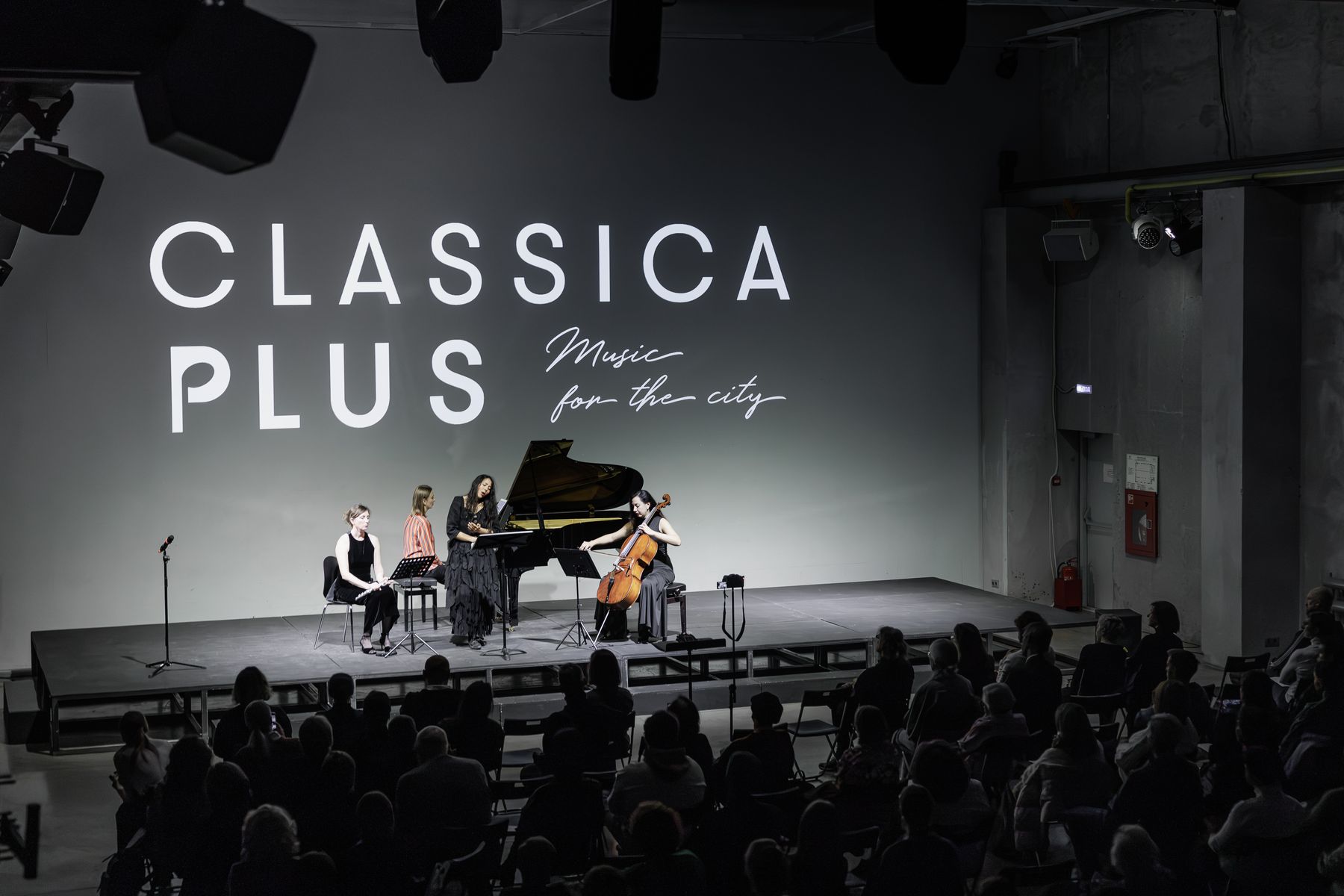
ClassicaPlusChina, Java, Agartha, Japan, Madagascar. Five ways of hearing the faraway — from a genuine Chinese melody in Ferroud to a Japanese story born on an internet forum in Zavaro.
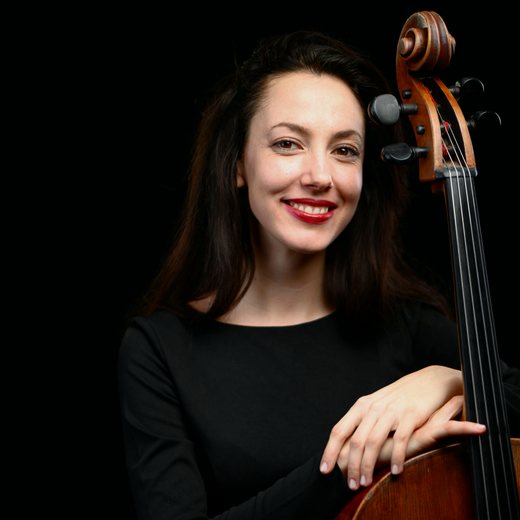
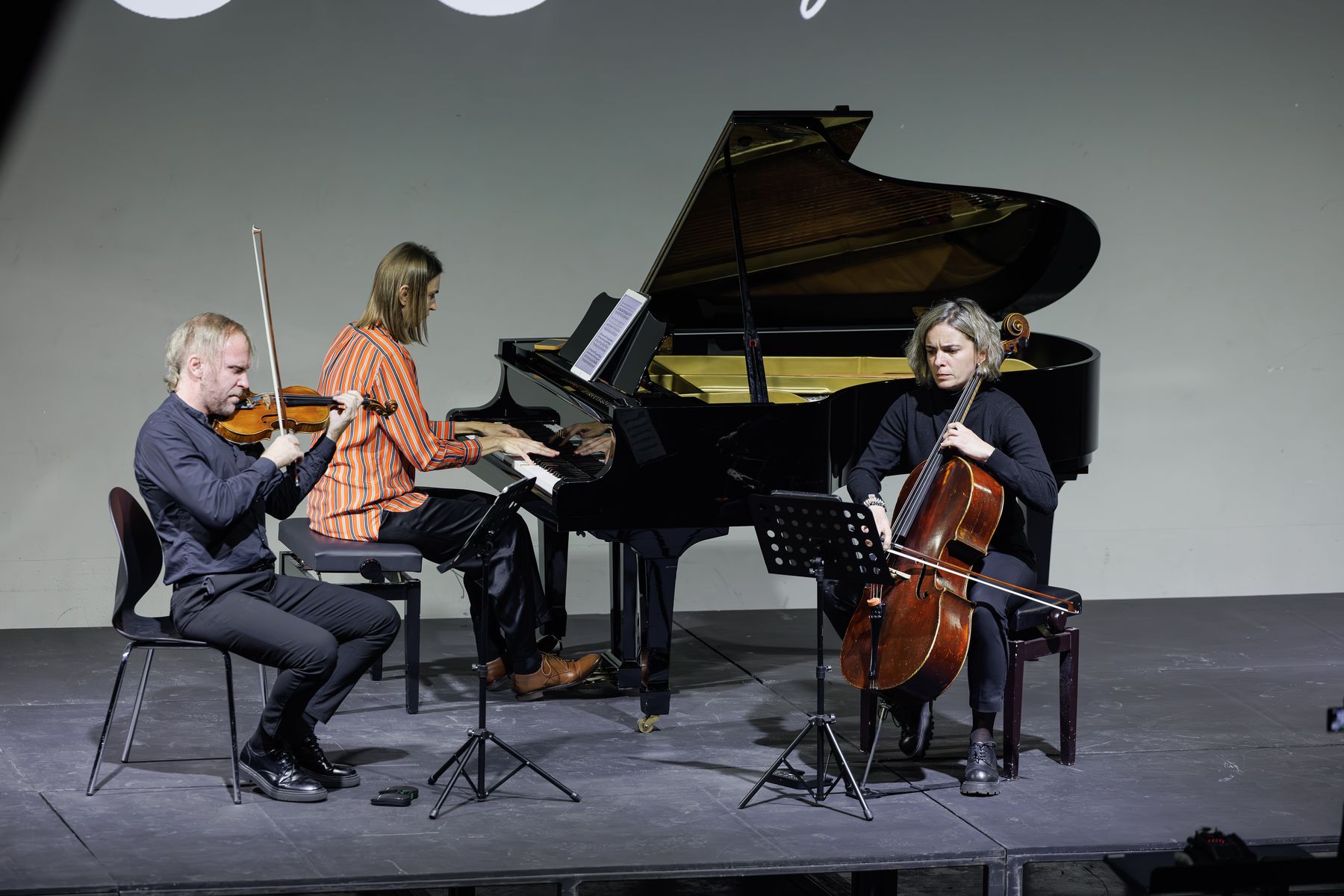
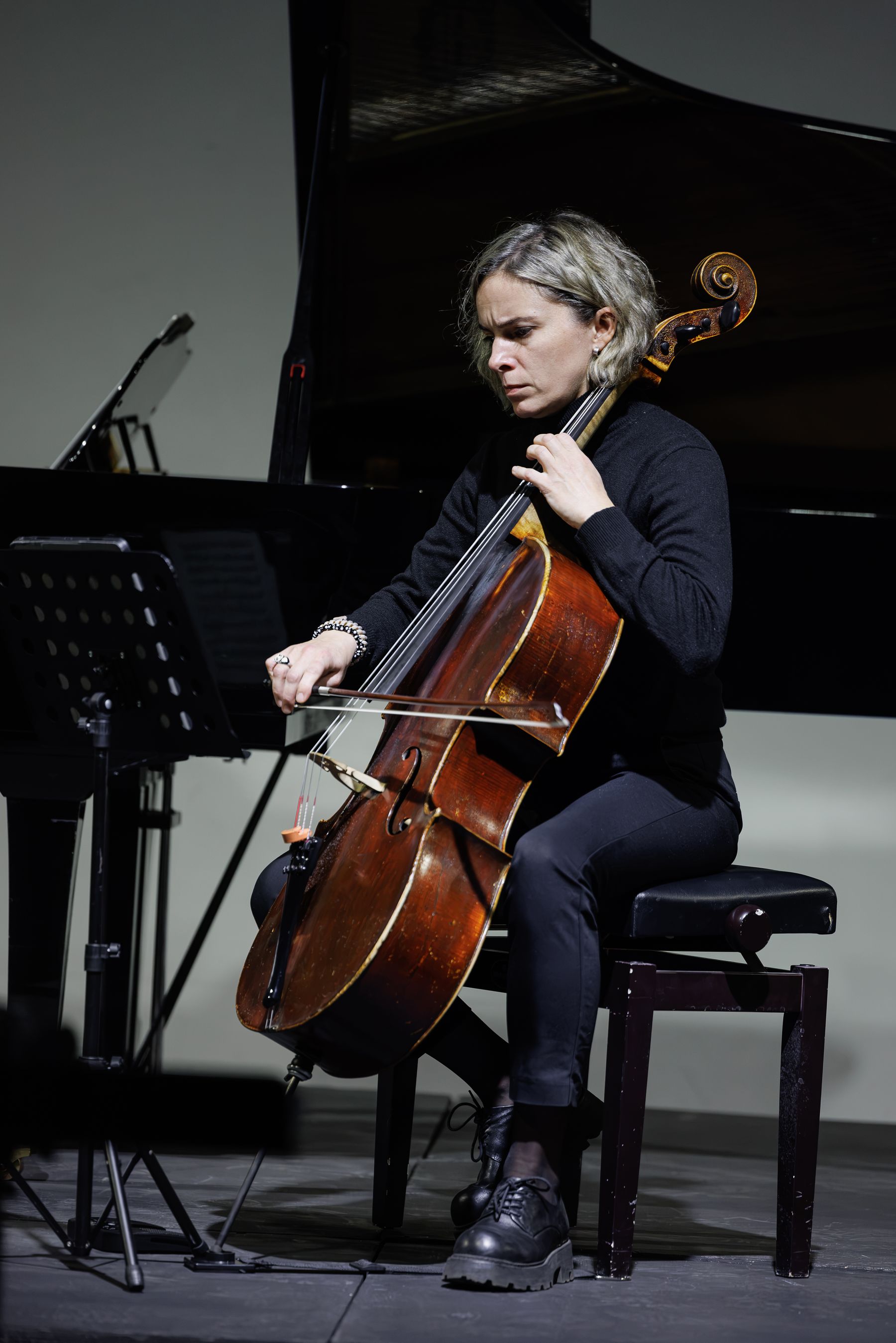
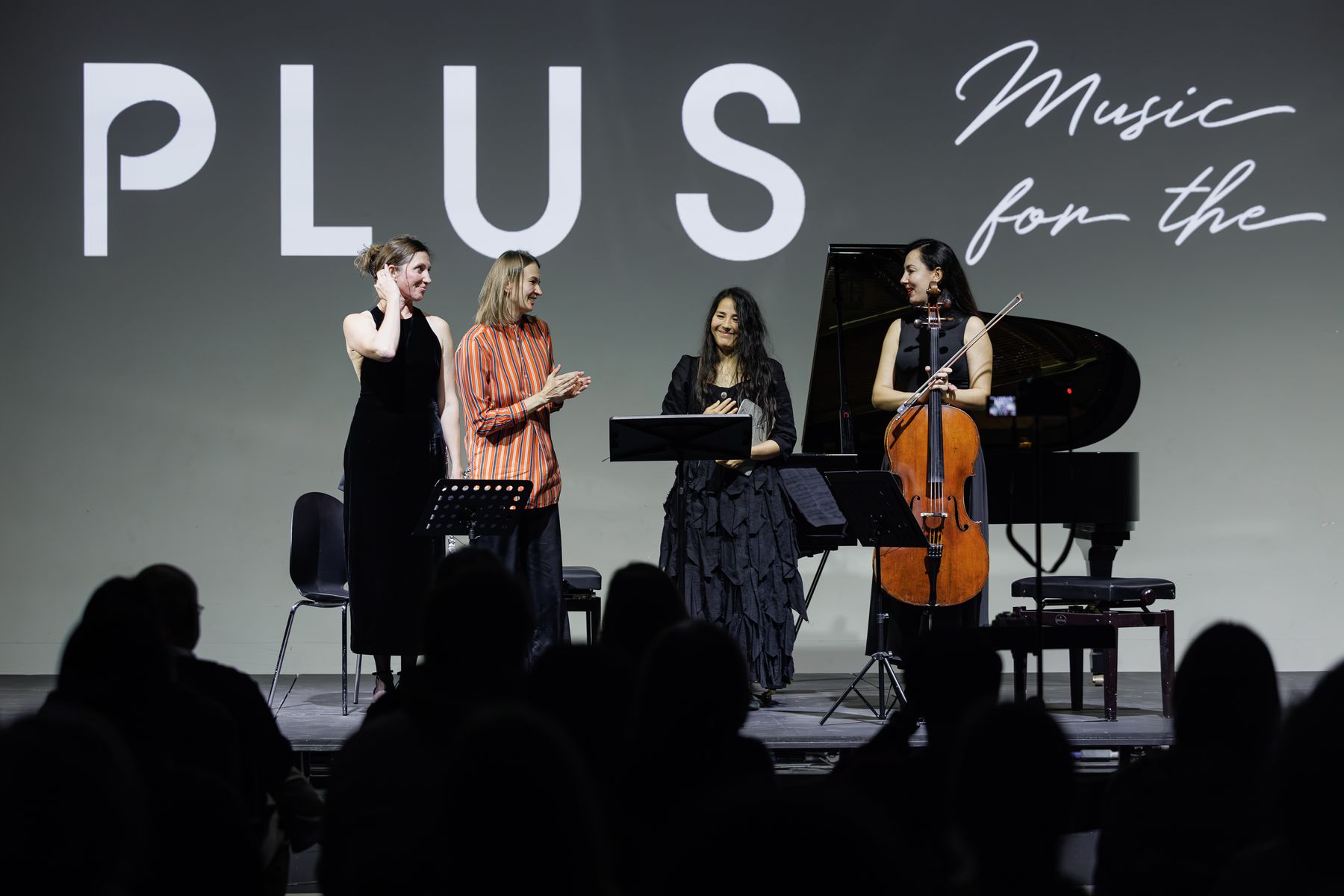
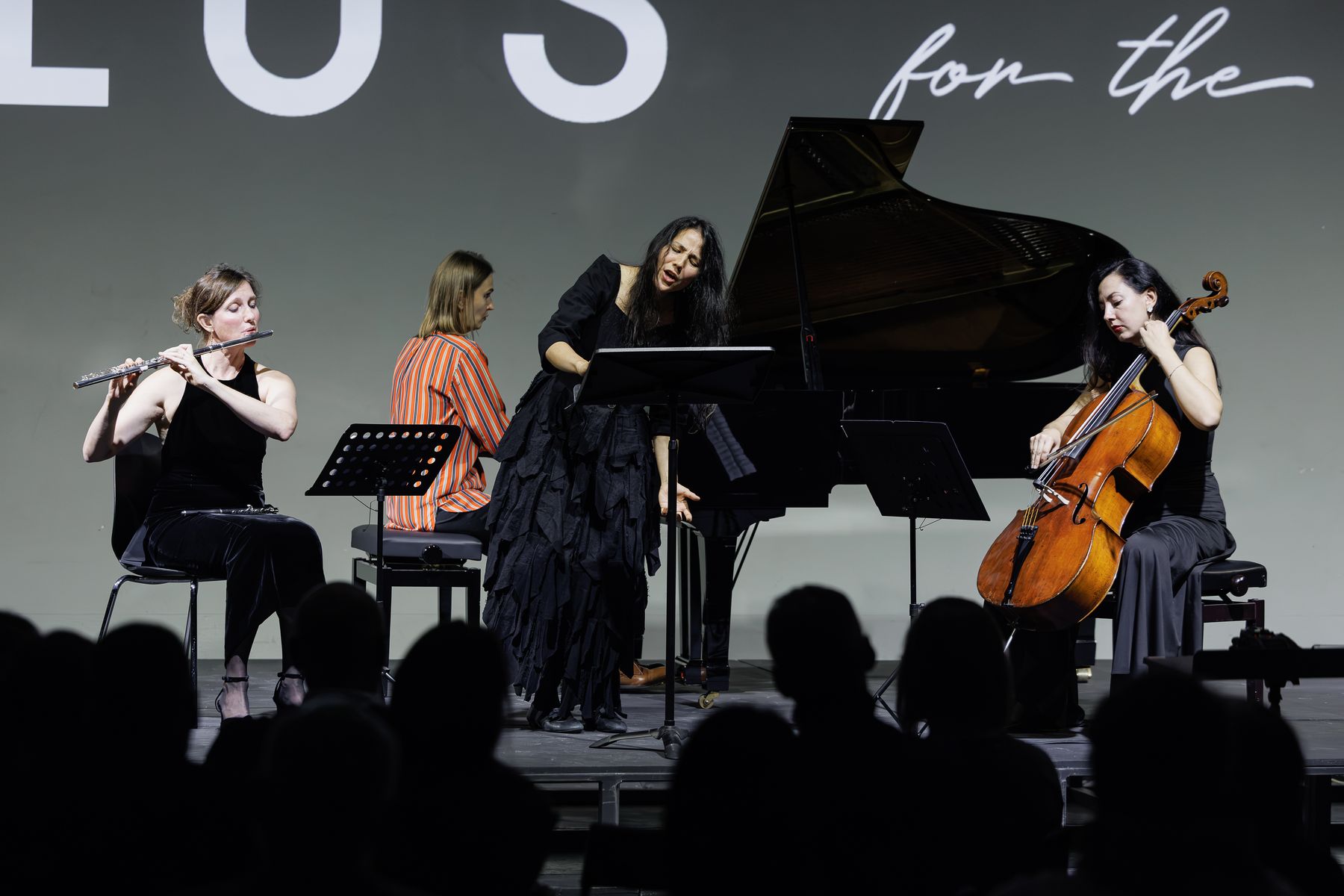
Two Russian premieres: Guillaume Connesson’s “Songs of Agartha”, three movements about a mythical underground realm, played on an antique French cello, and Pascal Zavaro’s trio “Densha Otoko”, based on a story that began in 2004 on a Japanese forum and became a book, a film and a TV series. The composer recorded a video message for the Moscow audience.
Alongside them: Debussy’s “Pagodes”, inspired by the Javanese gamelan he heard at the 1889 World’s Fair; Pierre-Octave Ferroud’s Three Pieces for solo flute; and Ravel’s “Chansons madécasses”, which turn one hundred in 2026.

“The Captive Shepherdess”, “Jade” and “Toan-Yan, Festival of the Double Fifth” — the East through the eyes of a follower of Debussy; the third piece quotes a genuine Chinese melody.

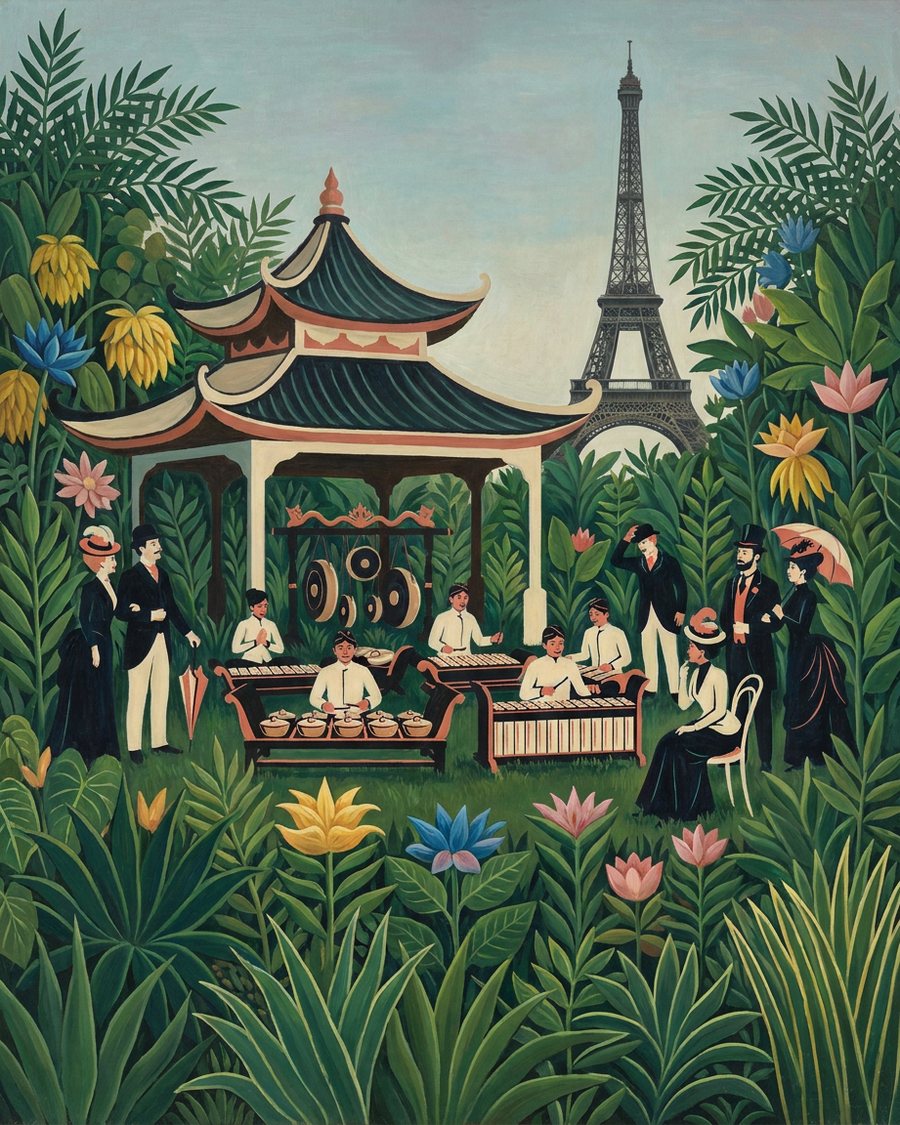
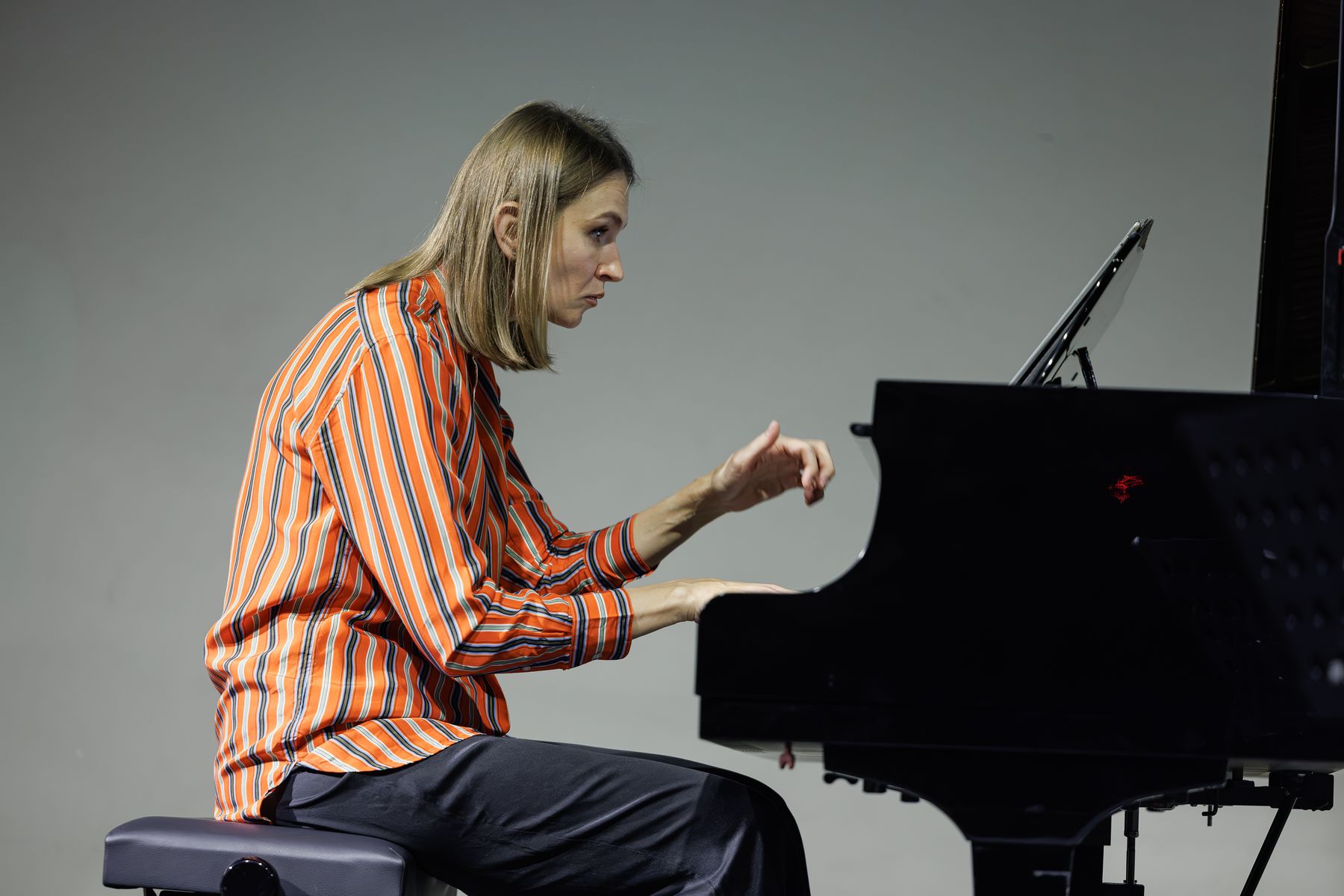
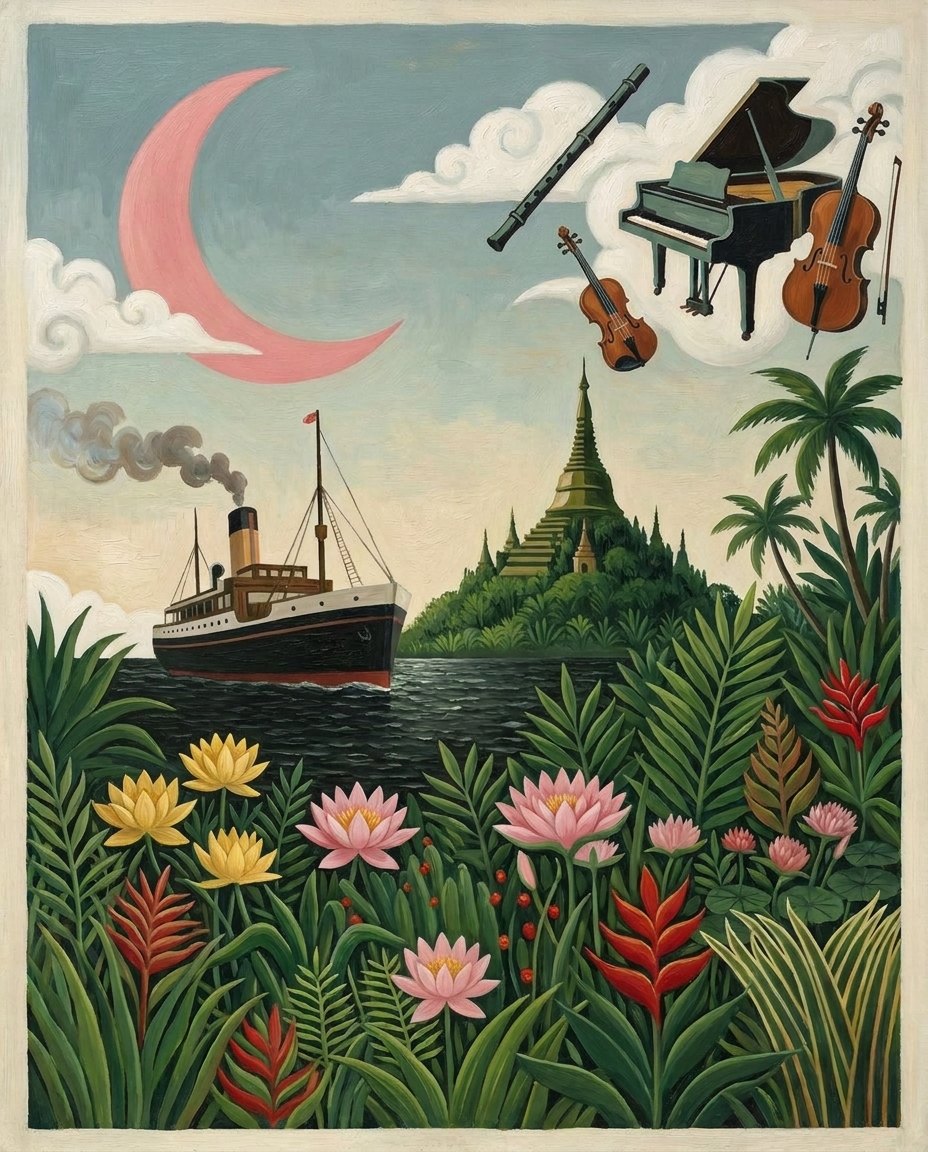
At the 1889 World’s Fair in Paris, Debussy heard a Javanese gamelan — an orchestra of gongs and metallophones. Fourteen years later that sound became “Pagodes”.

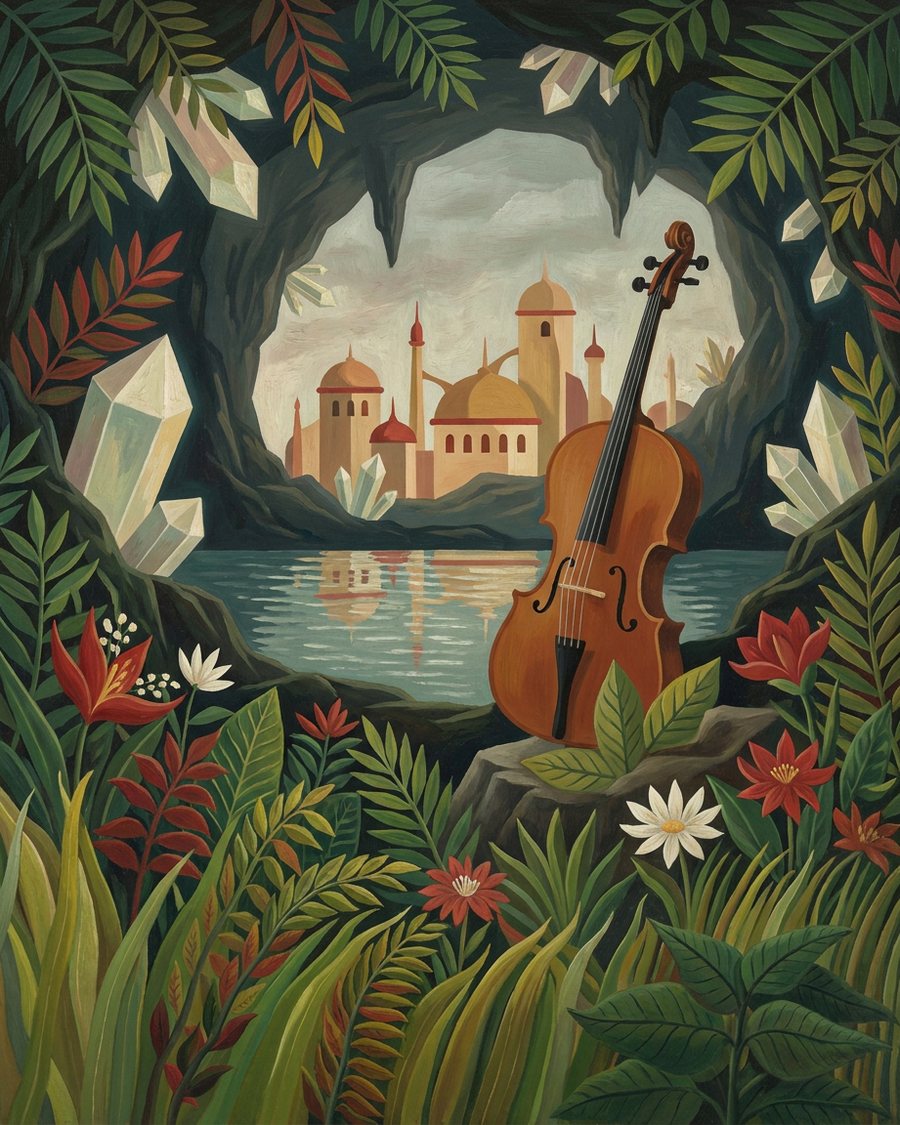
A mythical underground land in three movements: “Beneath the Mongolian Desert”, “The Library of Lost Knowledge”, “Dance before the King of the World”. The cello is an antique French instrument.

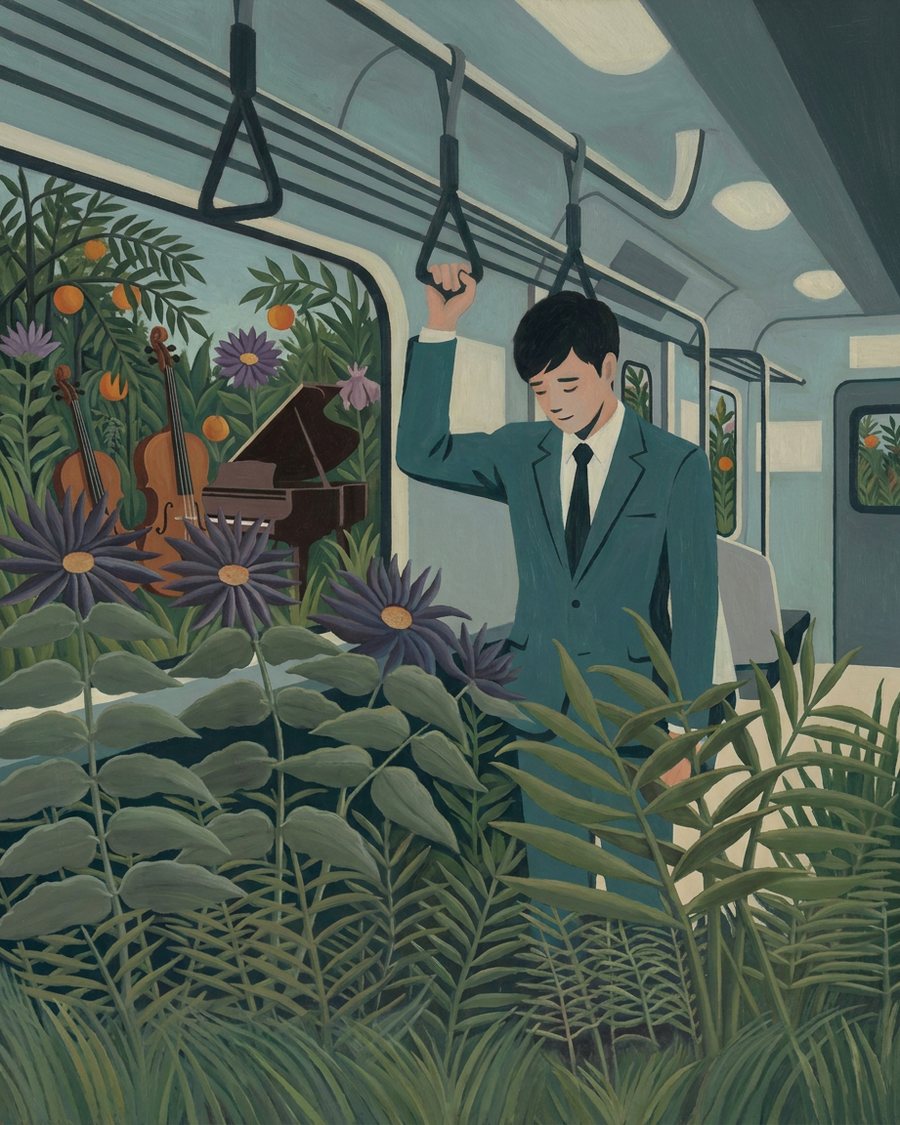
Tokyo, 2004: a young man stood up for a woman on a commuter train — and then asked the whole internet how to invite her on a date. The story became a book, a film — and a trio.

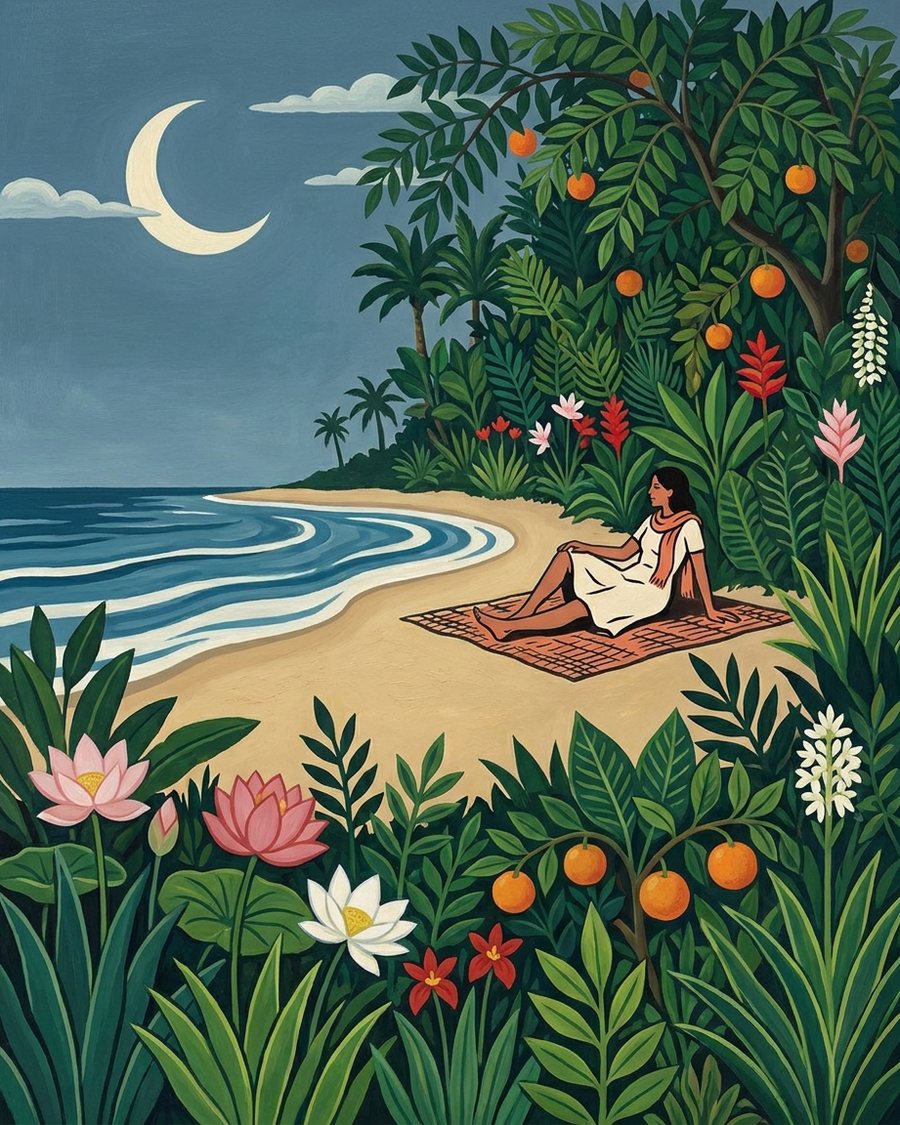
Three songs on poems by Évariste de Parny from 1787 — the tender “Nahandove”, the furious cry “Aoua!” and the quiet “Il est doux”.


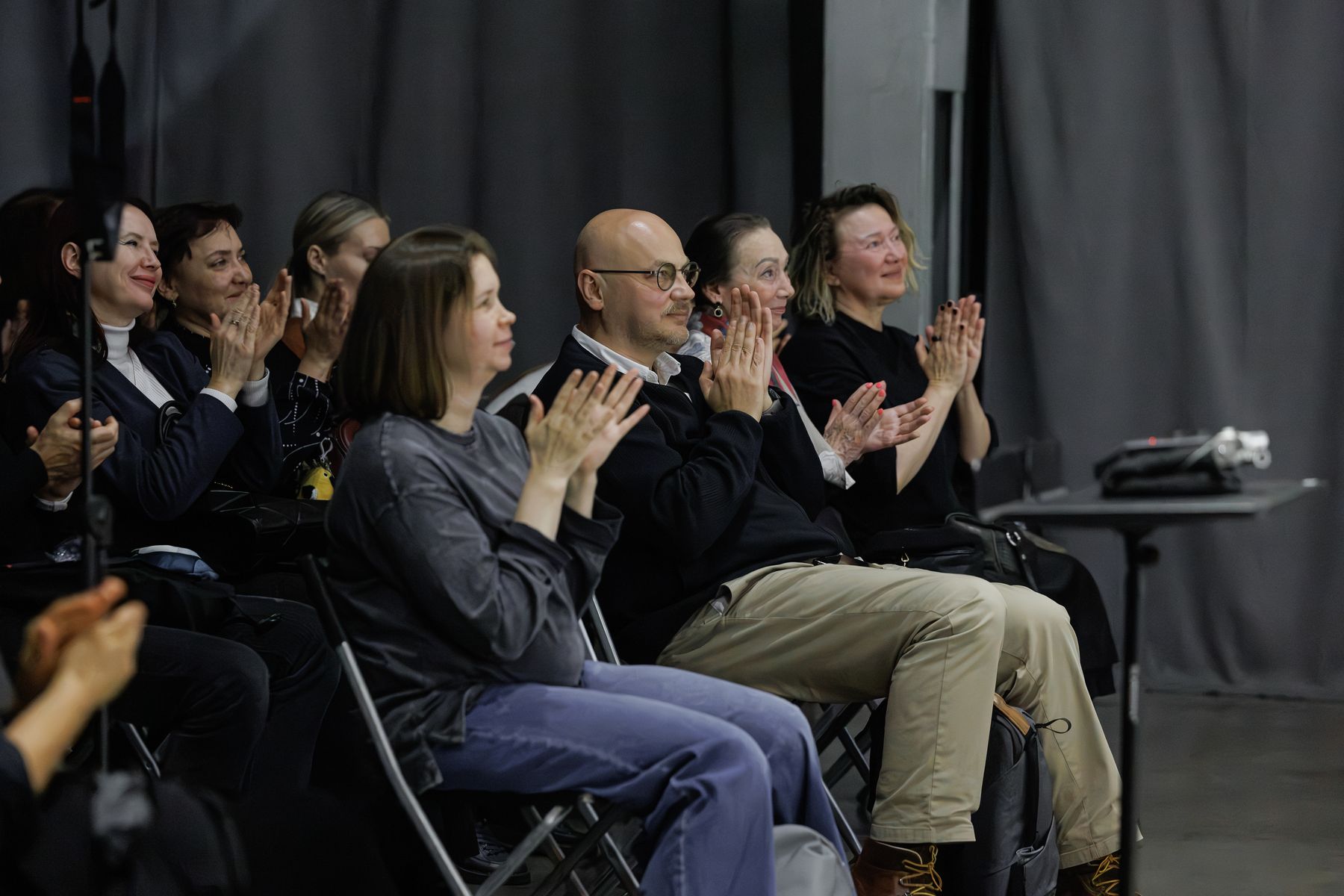
As I listened, paintings by Roerich kept rising before my eyes. I wanted to visit his museum again — and to go back to Mongolia! French composers are calling me to the East. Still under the spell of “Agartha”. Claude Debussy was beautiful — I wanted it never to end! It was fascinating to hear the story behind the piece on a Japanese subject. And your commentary is simply priceless.
From the ClassicaPlus channel, 24 October